Get Your First-Time Customer Discount Today!
Understanding EV Charger Installation Costs: Essential Tips Before You Buy
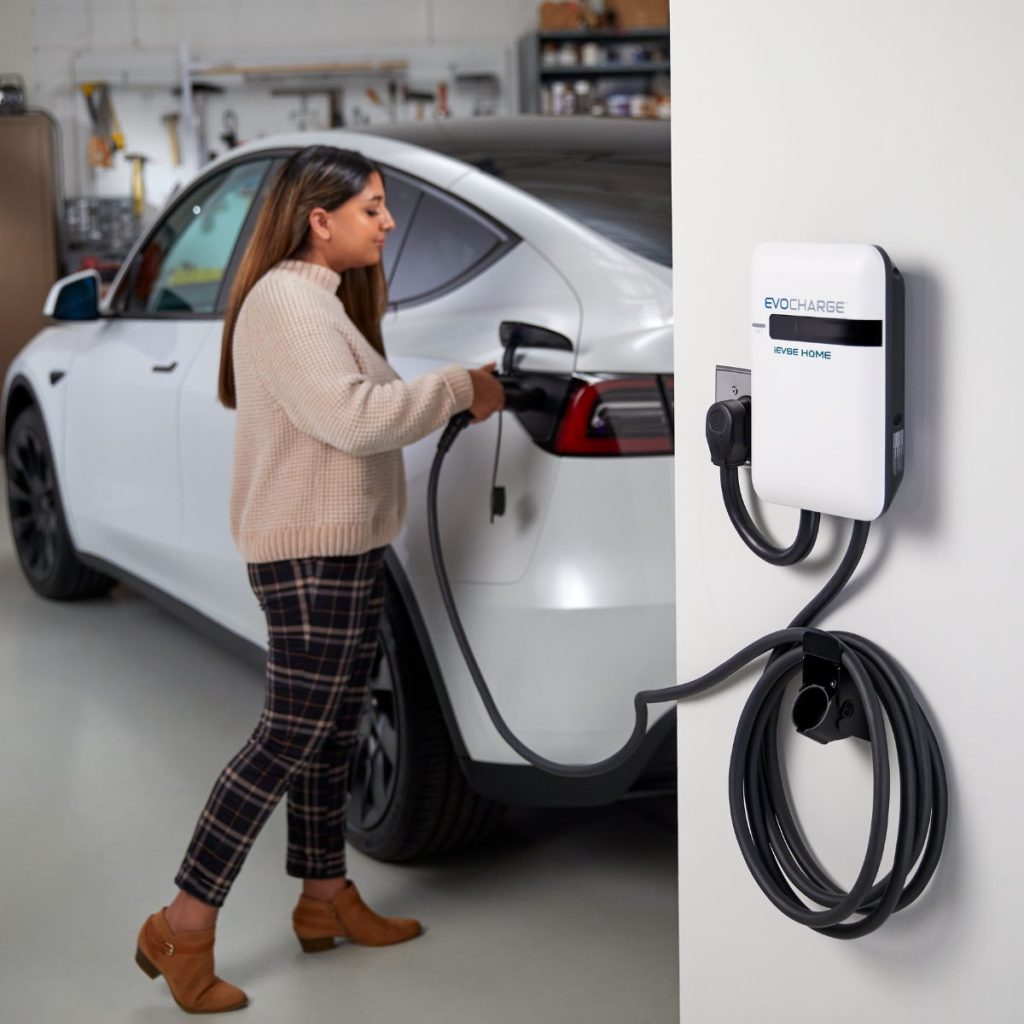
Understanding Installation Cost Factors
When planning to install an electric vehicle charger at your home or business, understanding the complete cost picture helps you budget accurately and avoid unexpected expenses. The total investment extends beyond the charger unit itself and depends on several critical factors unique to your property.
The electrical panel capacity and location play a significant role in determining installation costs. Many homes in the Vancouver area were built before electric vehicles became mainstream, meaning the existing electrical infrastructure may require upgrades to support the additional load. A standard Level 2 charger, which provides the most practical charging speed for daily use, typically requires a dedicated 240-volt circuit similar to what powers electric dryers or ovens. If your electrical panel lacks available capacity or sits far from your desired charging location, you may need panel upgrades or extensive wiring runs that increase the overall investment.
Distance from the electrical panel to the charging location directly impacts labor and material costs. Chargers installed in garages adjacent to service panels cost considerably less than those requiring trenching across yards or routing through multiple walls. Vancouver’s building codes require proper conduit protection for exterior installations, adding materials and labor time. Properties with detached garages or carports face higher costs due to the additional wiring distance and potential trenching requirements.
Permit requirements and inspection fees form another cost component that varies by jurisdiction. Clark County and Vancouver have specific requirements for electrical work that include permit applications, inspections, and adherence to local building codes. These regulatory requirements protect homeowners by ensuring installations meet safety standards, but they do add to the overall project cost. Professional electrical contractors handle permit acquisition and schedule inspections as part of their service, streamlining the process for property owners.
Level 2 vs Level 1 Charging Options
Electric vehicle owners face a fundamental choice between Level 1 and Level 2 charging systems, each offering distinct advantages and cost implications. This decision affects both initial installation expenses and long-term charging convenience.
Level 1 charging uses a standard 120-volt household outlet and requires minimal installation investment. Most electric vehicles include a Level 1 charging cable, allowing owners to plug directly into existing outlets without electrical modifications. This option appeals to drivers with short daily commutes or those who park for extended periods. However, Level 1 charging provides only 3 to 5 miles of range per hour of charging, which may prove inadequate for households with longer commutes or multiple electric vehicles. In Vancouver’s climate, where heating and cooling systems draw additional battery power during winter months and summer heat, the slower charging speed becomes more noticeable.
Level 2 charging systems operate on 240-volt circuits and deliver 15 to 60 miles of range per hour, depending on the charger’s amperage rating and the vehicle’s onboard charging capacity. This dramatically faster charging speed makes Level 2 the preferred choice for most homeowners. A typical electric vehicle with a depleted battery reaches full charge overnight with a Level 2 system, ensuring readiness for daily use. The faster charging becomes particularly valuable during Pacific Northwest winters when battery efficiency decreases in cold temperatures, requiring more frequent charging cycles.
Installation costs for Level 2 systems include the charging unit, electrical panel upgrades if needed, dedicated circuit installation, and permit fees. While the upfront investment exceeds Level 1 charging, the practical benefits justify the expense for most users. Level 2 chargers also increase property value as electric vehicle adoption continues growing throughout Clark County and surrounding areas.
Electrical Panel Upgrades and Circuit Requirements
The electrical service panel serves as the heart of your home’s electrical system, distributing power to circuits throughout the property. Adding an electric vehicle charger requires careful assessment of available capacity and may necessitate upgrades to handle the additional electrical load safely.
Most Level 2 chargers require a dedicated 40-amp or 50-amp circuit, though some lower-powered units operate on 30-amp circuits. Homes built in recent decades typically feature 200-amp service panels with capacity for additional circuits, while older properties may have 100-amp or even 60-amp panels that lack sufficient capacity. Vancouver’s housing stock includes many properties built before widespread electric vehicle adoption, meaning panel upgrades represent a common requirement during charger installation. A licensed electrician evaluates existing capacity, calculates total electrical load including the proposed charger, and determines whether panel upgrades provide the safest, most reliable solution.
Panel upgrade costs vary based on the scope of work required. Increasing capacity from 100 amps to 200 amps involves replacing the service panel, upgrading the meter base, and potentially replacing the service entrance cable from the utility connection point. The utility company coordinates the final connection and meter replacement. While panel upgrades add significant cost to the project, they provide long-term benefits beyond electric vehicle charging. Upgraded panels support other high-demand appliances, improve electrical safety, and accommodate future electrical needs as homes incorporate more electric technologies.
The dedicated circuit for your charger must include proper wire sizing, circuit breaker rating, and ground fault protection as specified by the National Electrical Code and local amendments. Washington State requires licensed electricians to perform this work, ensuring installations meet rigorous safety standards. The circuit routing from panel to charger location follows the most direct, code-compliant path, minimizing wire runs and associated costs while maintaining proper protection throughout.
Smart Features and Long-Term Value
Modern electric vehicle chargers offer sophisticated features that extend beyond basic charging functionality. These capabilities provide convenience, energy management, and potential cost savings that enhance the value of your investment over time.
WiFi-enabled chargers connect to smartphone applications, allowing remote monitoring of charging sessions, scheduling to take advantage of off-peak electricity rates, and tracking energy consumption. This connectivity proves particularly valuable for Vancouver residents served by utilities offering time-of-use rates, where electricity costs less during nighttime hours. Scheduling charging to occur during these lower-rate periods reduces operating costs significantly over the vehicle’s ownership period. The ability to monitor charging status remotely provides added convenience, alerting you when charging completes or if any issues arise.
Load management features in advanced chargers prevent electrical system overload by monitoring total household electrical demand and adjusting charging rates accordingly. If your home’s electrical system approaches capacity during high-demand periods, the charger automatically reduces its power draw to prevent tripping breakers or overloading circuits. This intelligent management proves especially useful in homes approaching the limits of their electrical service capacity, potentially avoiding costly panel upgrades while still enabling electric vehicle ownership.
Weather-resistant construction and durability features matter in the Pacific Northwest climate, where chargers endure rain, temperature fluctuations, and humidity year-round. Quality chargers carry NEMA ratings indicating their ability to withstand outdoor conditions. Vancouver’s wet winters and occasional temperature extremes require chargers built to operate reliably in these conditions. Higher-quality units include robust enclosures, corrosion-resistant connectors, and comprehensive warranties protecting your investment. While budget chargers may cost less initially, premium models with superior construction and advanced features often provide better long-term value through enhanced durability and energy management capabilities.
Working with Professional Electricians
Professional electrical installation ensures your charging system operates safely, reliably, and in compliance with all applicable codes. While product costs remain relatively consistent across installers, the quality of workmanship and attention to detail significantly impacts long-term performance and safety.
Licensed electricians bring essential expertise to electric vehicle charger installations. They assess your electrical system’s current condition, identify necessary upgrades, recommend appropriate charger specifications for your needs, and execute installations meeting stringent safety standards. Washington State requires licensed electricians to perform work involving home electrical systems, protecting property owners through mandatory training, insurance requirements, and accountability standards. This licensing ensures the professional working on your home possesses verified knowledge of electrical codes, safety protocols, and proper installation techniques.
The installation process begins with a site evaluation where the electrician examines your electrical panel, measures distances to the proposed charging location, identifies any obstacles or complications, and provides a detailed cost estimate. Transparent electricians explain the scope of work, itemize costs, and discuss options that might reduce expenses without compromising safety or functionality. They obtain necessary permits, schedule inspections, and coordinate with utility companies if service upgrades require meter or connection modifications.
Adapt Electric, LLC serves Vancouver and surrounding areas with professional electric vehicle charger installations tailored to each property’s unique requirements. Our team evaluates your electrical infrastructure, recommends appropriate solutions, and executes installations meeting all safety and code requirements. We handle the entire process from initial assessment through final inspection, ensuring your charging system provides reliable service for years to come. Our familiarity with local building codes, permit processes, and utility coordination streamlines installation while avoiding common complications that can delay projects or increase costs. When you choose qualified professionals for your electrical installation needs, you gain both immediate proper functionality and long-term reliability backed by warranty protection and professional accountability.
Quality installations include proper mounting, secure weatherproof connections, appropriate wire routing, correct circuit protection, and thorough testing before handoff. Electricians document the installation, provide operation instructions, and explain maintenance requirements. This thorough approach protects your investment and ensures safe, trouble-free operation throughout your charger’s service life.